
Cervical Corpectomy and Strut Graft
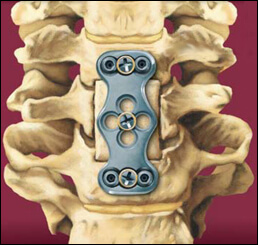
What is Cervical Corpectomy?
A cervical corpectomy is a surgical procedure aimed at relieving the compression on the spinal cord by removing the degenerated vertebrae and replacing them with a titanium cage filled with bone graft.
Indications for a Cervical Corpectomy and Strut Graft
A corpectomy is indicated for compression of the spinal cord, leading to spinal stenosis or cervical myelopathy. Typically, decompression is done by removing only the disc but sometimes the entire bone has to be removed because of where the compression is.
Cervical Corpectomy and Strut Graft Procedure
- Your surgeon will make an incision in the front of your neck to reach the cervical spine. An X-ray is taken to ensure the affected vertebrae and discs are located. Once confirmed, a microscope is used to removed the offending disc and bone causing nerve compression.
- A cervical fusion is performed after a corpectomy. In cervical fusion, the space left after the removal of the vertebral body is reconstructed with a titanium cage filled with bone graft to provide stability to the spine.
- A metal plate and screws are used to hold the vertebrae and the bone graft in place.
Postoperative Care following Cervical Corpectomy and Strut Graft
A specific postoperative recovery/exercise plan will be offered by your physician to help you return to normal activity at the earliest possible. The duration of hospital stay depends on this treatment plan. You will be able to wake up and walk by the end of the first day after the surgery and resume your work within 3-6 weeks, depending on your body’s healing status and the type of work/activity that you plan to resume.
Risks and Complications of Cervical Corpectomy and Strut Graft
Some of the potential complications associated with corpectomy include subsequent pain, impaired healing and a possible need for additional surgery. There is risk of bleeding, esophageal injury, and hardware issues. Rarely, if bleeding continues after surgery, it can lead to difficulty breathing and possible death. It is important to have someone reliable with you at home for the few days to make sure they can check on you. There is also a risk of nerve damage, spinal cord damage, and paralysis.
Related Topics:
- Lumbar Laminectomy
- Posterior Lumbar Fusion
- Lumbar Endoscopic Discectomy
- Minimally Invasive Lumbar Discectomy
- Anterior Lumbar Interbody Fusion
- Minimally Invasive TLIF
- Kyphoplasty
- Minimally Invasive Spine Surgery
- Oblique Lumbar Interbody Fusion (OLIF)
- Posterior Cervical Laminectomy and Fusion
- Cervical Corpectomy and Strut Graft
- Endoscopic Spine Surgery
- Surgery for Scoliosis
- Cervical Laminoplasty
- Image-Guided Spine Surgery
- Anterior Cervical Discectomy with Fusion
- Artificial Cervical Disk Replacement
- Cervical Foraminotomy
- Extreme Lumbar Interbody Fusion