
Spinal Tumor
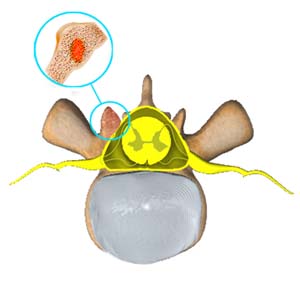
What is Spine Tumor?
Uncontrolled growth of tissues or cells in and around the spinal cord is a spinal tumor. Tumors can either be cancerous (malignant) or non-cancerous (benign). Tumors that begin in the spine are called primary spinal tumors. Tumors that spread to the spine from other parts such as the breast, prostate, lung, and other areas are called secondary spinal tumors. It is more common for tumor from another body part.
Common Spine Tumors
Some of the commonly occurring benign spinal tumors are
- Osteoma
- Osteoblastoma
- Hemangioma
- Osteochondroma
Common malignant spinal tumors are
- Chondrosarcoma
- Ewing’s sarcoma
- Lymphoma
- Osteosarcoma
- Multiple myeloma
Common areas for metastatic tumors
- Breast
- Lung
- Prostate
- Kidney
- Thyroid
Symptoms of Spine Tumors
You may not have any symptoms of tumor in your spine unfortunately in the beginning. As the tumor grows, you may experience
- persistent and chronic back pain
- numbness, burning and tingling sensation
- loss of sensation in your arms, knees, legs, and ankles
- difficulty in balancing
- bladder or bowel control problems.
Diagnosis of Spine Tumors
Tumors cannot be discovered by physical examination alone. Imaging testing is the only way to find a possible tumor. Biopsy (looking under a microscope) of the lesion is the only way to confirm the diagnosis.
Typical imaging test include computed tomography (CT) scan, magnetic resonance imaging (MRI) scan and spine X-ray. In addition to these tests, a bone scan and positron emission tomography (PET) scan can also done.
Treatments for Spinal Tumors
Medications such as corticosteroids and anti-inflammatory drugs are prescribed to reduce inflammation and swelling around the spinal cord. External braces are also used to provide support and control pain. Once there are neurological changes or if the tumor has eaten away a significant portion of the bone, surgery is usually indicated.
- Surgery: It is performed to remove the tumor confined only to one portion of the spine. Some of the complications observed after surgery are temporary loss of sensation, nerve tissue damage and bleeding as the tumor is very vascular and can cause significant scarring to the nerve tissue.
- Radiation therapy: This method uses high beam of radiations to destroy the cancer cells. It is used after surgery typically to destroy the remaining cancer cells as surgery cannot remove all the tumor in many cases.
- Chemotherapy: A combination of anti-cancer drugs is used to destroy cancer cells. Chemotherapy is used to shrink, stop the division and prevent the cancer cells from spreading to the surrounding tissues. The drugs enter the bloodstream and reach the cancer cells to destroy them.