Neck Pain
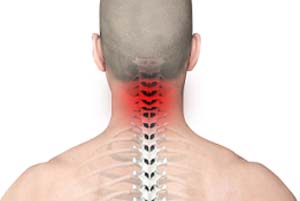
Cervical Anatomy
The first 7 vertebral bones of the spinal column form the cervical spine in the neck region. The neck bears the weight of the head, allows a significant amount of movement, and is less protected than other parts of the spine. All these factors make the neck more susceptible to injury or other painful disorders.
What is Neck Pain?
Common neck pain may occur from muscle strain or tension from everyday activities including poor posture, prolonged use of a computer and sleeping in an uncomfortable position.
Causes of Neck Pain
The most common cause of neck pain is injury to the soft tissues (muscles, ligaments or nerves) or prolonged wear and tear. Traumatic accidents or falls and contact sports can cause severe neck injuries and pain. Neck pain can also occur from infections, tumors or congenital abnormalities of the vertebrae. The most common cause of neck pain today however is prolonged neck bending while looking at your cellphone, commonly called tech neck. Other causes include:
- Cervical disk herniation: Disk herniation is the bulging or rupture of the soft fibrous disk that cushions the vertebrae. The soft central portion called nucleus pulposus bulges out through the tear in the capsule. The condition can be caused by normal aging or by traumatic injury to the spine.
- Cervical spondylosis: Cervical spondylosis refers to the abnormal degeneration of the cartilage and bones in the neck region. This is typically accompanied by a stiff neck as well
- Cervical stenosis: Cervical stenosis refers to the narrowing of the spinal canal that protects the spinal cord and its branching nerves. The condition causes neck pain radiating to your arms and hands and difficulty using your hands and legs.
- Degenerative disk disease: Degenerative disk disease refers to the gradual deterioration of the disk between the vertebrae and is caused due to aging. As people age, intervertebral disks lose their flexibility, elasticity and shock absorbing characteristics, resulting in neck pain.
Diagnosis of Neck Pain
The diagnosis of neck pain is made with a review of your history, physical examination and other imaging techniques including electromyography (EMG), X-ray, MRI scan, CT scan, blood tests, and bone density assessment.
Treatment Options for Neck Pain
The treatment options for neck pain is nonoperative. Nonoperative treatment may include rest, ice application, use of a soft neck collar and neck immobilization using a splint, cast or sling. Certain stretching and strengthening exercises may be recommended to strengthen the neck muscles.
Medications such as anti-inflammatory drugs, analgesics, and muscle relaxants may be prescribed to reduce pain and inflammation.
Surgical treatment is rarely indicated for neck pain by itself. If neck pain is associated with nerve pain and arm/leg weakness surgery is indicated.
Prevention of Neck Pain
The following steps may help you prevent or improve your neck pain:
- Practice relaxation exercises to prevent undesirable stress and tension to the neck muscles.
- Perform stretching exercises for your neck before and after exercise.
- Maintain good posture if you work at a computer and adjust the monitor to your eye level. Stretch your neck frequently.
- If you use the telephone a lot, use a headset.
- Use a pillow that keeps your neck straight.
- Wear seat belts and use bike helmets to reduce injuries.
You will need the Adobe Reader to view and print these documents.